Mold Remediation for Greenville, SC Houses, Old and New
Good mold remediation in Greenville, SC comes down to two things: removing growth without spreading it, and making sure the material it grew on can't get wet again. We do both, and we'll explain what we find in plain terms before any work starts.
For a Greenville inspection, call (864) 555-0113.
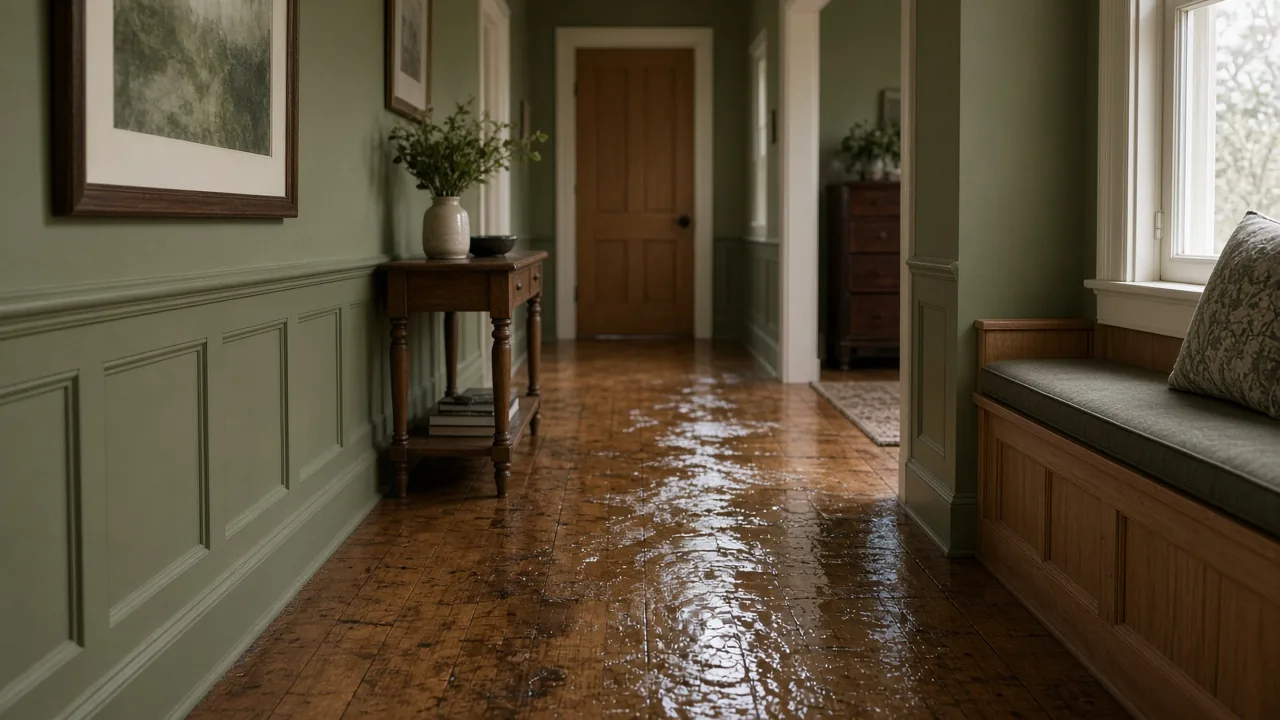
What Feeds Mold in Greenville
Mold needs moisture that lingers. Here, that tends to come from:
- crawl spaces with wet insulation or poor drainage
- roof damage from storms and falling limbs, like the tree strikes Helene caused across Greenville County in 2024
- slow plumbing leaks inside walls and under cabinets
- floods that were pumped out but never fully dried
The EPA's rule of thumb is that materials dried within 24 to 48 hours usually won't grow mold. Anything that stays wet longer is at risk.
Measuring Before Cutting
We use moisture meters and thermal imaging to find out how far the damp area reaches, not just where the stain is. In older homes, like the plaster-walled houses in Hampton-Pinckney or the 1920s homes in the Colonel Elias Earle district, that keeps us from tearing out more than we need to.
The Remediation Sequence
- Fix or stop the moisture source.
- Set up containment with plastic sheeting and negative air.
- Remove porous materials with growth, such as drywall, insulation and carpet.
- Clean and HEPA-vacuum framing, joists and hard surfaces.
- Dry the area until readings are normal.
- Rebuild with new materials.
For patches smaller than about 10 square feet, the EPA says homeowners can often clean it themselves once the moisture is fixed. We'll tell you if that's the case.
After We Leave
Keep indoor humidity below 60 percent, as the EPA recommends, and ideally between 30 and 50. Run bathroom fans, keep gutters clear and have crawl space vents and drainage checked.
Many of the jobs we see start underneath the house; read about crawl space water in Greenville. To see all our services, go to our Greenville water damage team.
Frequently asked questions
Can I stay home during remediation?
Usually. Containment keeps the work area sealed off from the rest of the house.
Will bleach take care of it?
Not on porous materials like drywall. Growth inside those materials has to be removed.
Do you test for mold?
When growth is hidden or the source isn't clear, testing can help. Visible growth with a known leak usually doesn't need a lab.