Greenville Crawl Space Water, Pumped Out and Dried From Below
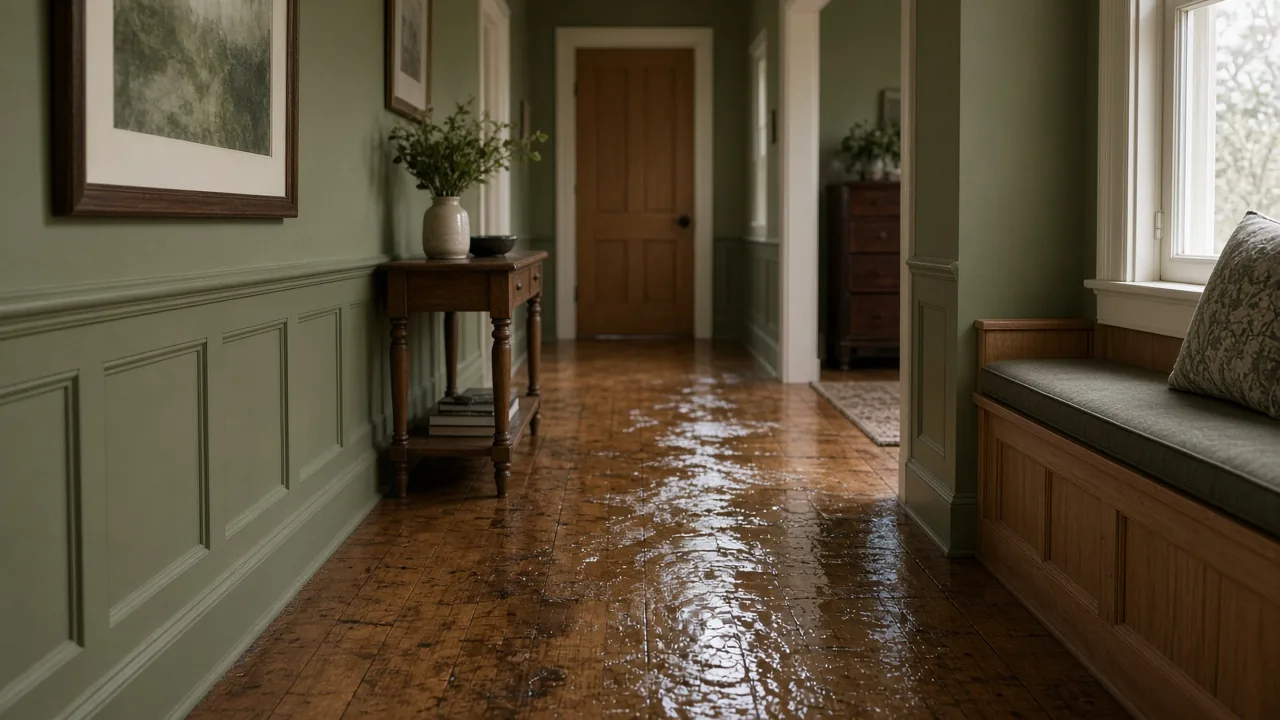
Crawl space water in Greenville, SC rarely announces itself. You might notice a musty smell in the hall, a floor that feels soft near the bathroom, or a power bill that crept up because the ducts underneath are sitting in damp air. By the time someone looks under the house, the insulation can be hanging wet and the joists can be dark.
Call (864) 555-0113 and we'll come look underneath with lights and meters.
How Water Ends Up Under the House
- Plumbing leaks. A supply line or drain under a bathroom or kitchen can drip for months.
- Heavy rain and grading. When the ground slopes toward the foundation, water finds the vents and the low corner of the crawl space. The City's records show how quickly storms can stack up here: February 2020 brought more than 5 inches in a day, and May 2020 nearly 9 inches over two days.
- Groundwater and seepage after long wet spells.
- Condensation on ducts and pipes in humid summer air.
Greenville's housing stock spans a long range. About 42 percent of homes were built before 1980, according to the Census Bureau, and historic districts such as Hampton-Pinckney and Colonel Elias Earle date to the late 1800s and early 1900s. Older houses on crawl spaces are where we see this most.
Signs Upstairs
- Cupping or soft spots in wood floors
- A damp, earthy smell, worse in summer
- Sweating ductwork or rusty HVAC fittings below
- Insects that like moisture showing up indoors
What a Crawl Space Job Involves
- Find and stop the source, with a plumber if it's a pipe.
- Pump out standing water and remove debris.
- Pull down wet insulation, which won't dry properly in place.
- Dry the joists, subfloor and sill plates with dehumidifiers and air movers sized for the space.
- Check readings until the wood is back within normal moisture levels.
- Replace the vapor barrier and insulation, and point out any drainage fixes worth making.
If the water came from rising runoff or a creek rather than plumbing, our Greenville flood cleanup page covers that work. For the rest of what we do, see our Greenville restoration team.
Frequently asked questions
Is a little water under the house normal after rain?
A damp surface after a big storm can happen, but standing water or wet insulation isn't something to leave alone.
Will drying the crawl space fix my floors?
Often, if the boards haven't been wet too long. Some cupping settles once the wood dries; badly damaged boards may need replacing.
Can mold grow under there?
Yes, on joists and insulation. If we find growth, we'll explain the size of it before quoting anything.