Greenville Homes, Dried Out and Rebuilt After Water Gets In
We handle water damage restoration Greenville-wide, covering the whole range of problems this city sees, from a leaking dishwasher in a new townhome to a crawl space full of water under a 1920s bungalow. We extract, dry, document and rebuild, and we tell you plainly what we found at every step.
Call (864) 555-0113 if water is still coming in. We'll help you stop it before we arrive.
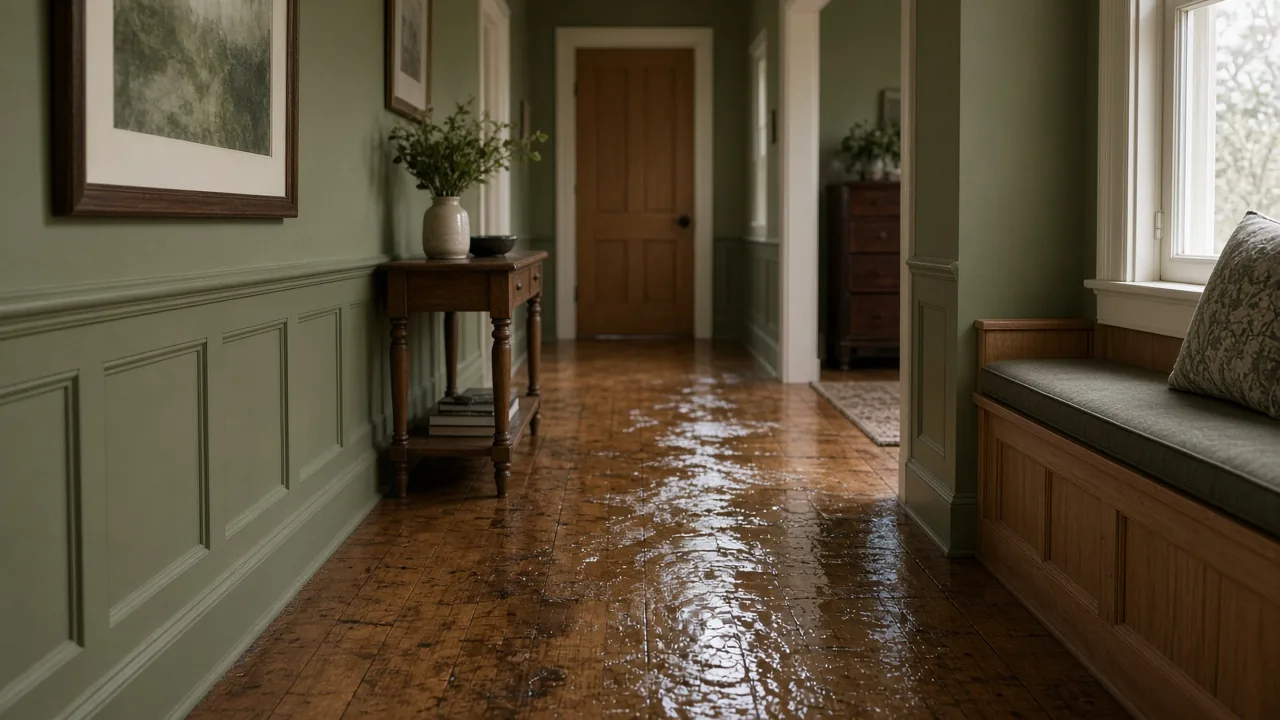
How We Handle a Greenville Job
- Find the source. Supply line, roof, grade, river or sewer: each one changes the plan.
- Remove standing water, including from crawl spaces and basements.
- Measure. Moisture meters and thermal imaging show how far it went.
- Take out only what's ruined, like soaked insulation, carpet pad and the bottom of wet drywall.
- Dry and verify with daily readings logged for your insurer.
- Rebuild floors, walls and trim once the structure is dry.
A River That Rises Fast
The City's hazard mitigation plan describes the Reedy River as well known for flooding. Its normal gauge height downtown is about a foot, but more than 4 inches of rain in a few hours can push it to 15 feet, two to three feet over its banks. In February 2020, over 5 inches fell around the city and the river rose more than 11 feet within a few hours. That May, nearly 9 inches over two days produced a rise of more than 13 feet and 39 road closures inside city limits.
The City's answer has included Unity Park, opened in 2022 in the 100-year floodplain, with a half-mile of the Reedy restored and terraced to handle high water.
Helene and the Trees
Hurricane Helene's damage in September 2024 came mostly from wind. The National Hurricane Center's report counts 50 homes and buildings destroyed in Greenville County and 650 with major damage, mainly from falling trees. A tree through the roof turns into a water problem with the next rain, which is why we tarp before we dry.
If It Just Happened
Close the main valve if a pipe or appliance is the source, and switch off breakers to rooms with water on the floor. Move rugs and furniture off wet carpet if you can do it safely. Take photos of everything before it's moved, including the outside if a storm caused it. Then call us and keep the receipts for anything you buy.
Old Neighborhoods, Newer Ones
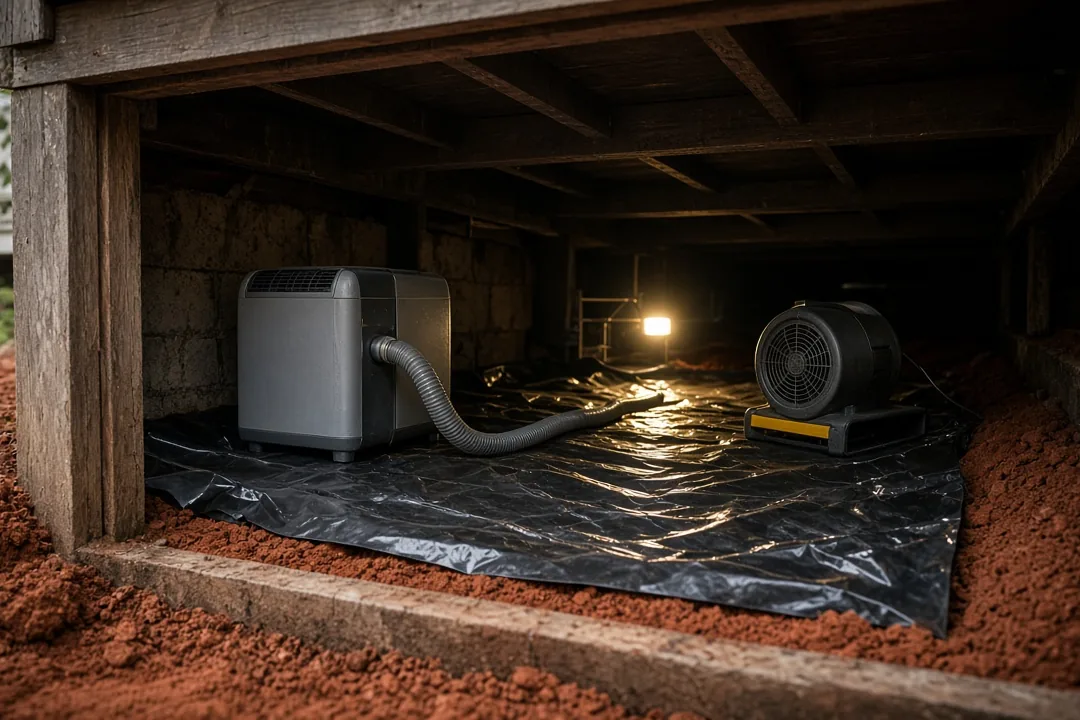
The Census Bureau's 2024 estimate puts the median build year of Greenville's homes at 1988, with about 42 percent built before 1980. The historic districts go much further back. Hampton-Pinckney's houses date from about 1890 to 1930, with one from around 1835, and most of the Colonel Elias Earle district was built between 1915 and 1930. Plaster, heart pine and crawl spaces call for a slower, more careful drying plan than slab-built new construction.
Pages for Specific Problems
- Crawl space water in Greenville homes, under older and newer houses alike.
- Flood cleanup for Greenville, SC, when rising water or runoff comes inside.
- Mold remediation in Greenville, SC, after a leak that went unnoticed.
Greenville Local Notes
The City maintains seven local preservation overlays: Colonel Elias Earle, East Park Avenue, Hampton-Pinckney, Heritage, Overbrook, Pettigru Street and the West End. If your home is in one of them, exterior repairs may need review, so we plan with that in mind. We also work in Nicholtown, Sterling, Southernside and the rest of the city.
Ready when you are: (864) 555-0113.
Water damage help in Greenville
Mold Remediation
Growth on joists, behind a vanity or across a ceiling after a roof leak? We contain, remove and dry it, then fix the cause in Greenville, SC homes. Call.
Learn moreCrawl Space Water
Standing water or soaked insulation under a Greenville house? We pump out the crawl space, remove wet insulation and dry the joists and subfloor. Call Us.
Learn moreFlood Cleanup
When the Reedy or a neighborhood creek comes inside, we remove the water and mud, sanitize, dry and rebuild Greenville, SC homes. Call Our Team today.
Learn more
Frequently asked questions
Can heart pine floors be saved after a leak?
Often, if the water was clean and we start drying quickly. We monitor for cupping and dry slowly to protect the boards.
Does the City's floodplain map matter if I've never flooded?
It's worth checking. The City released an updated floodplain map in 2024 based on a citywide review of flood risk.
From the first call to a dry house
- 1
Describe the damage
Call (864) 555-0113 and describe where the water came from and which rooms are affected.
- 2
Set an inspection time
We follow up to confirm the details and set an inspection time that works for you.
- 3
Water out, structure dried
Water is extracted, moisture is measured and the structure is dried before repairs begin.